Introduction
Selecting the right pressure transmitter is one of the most important decisions in any industrial process. A well‑chosen transmitter ensures consistent accuracy, improves safety, reduces downtime, and optimizes overall plant performance. These devices are widely used in oil and gas facilities, chemical plants, water treatment systems, HVAC networks, and many other industrial environments.
This guide covers everything you need to know—types, selection criteria, common mistakes, and best installation practices—so you can confidently select the ideal pressure transmitter for your application.
What Is a Pressure Transmitter and How Does It Work?
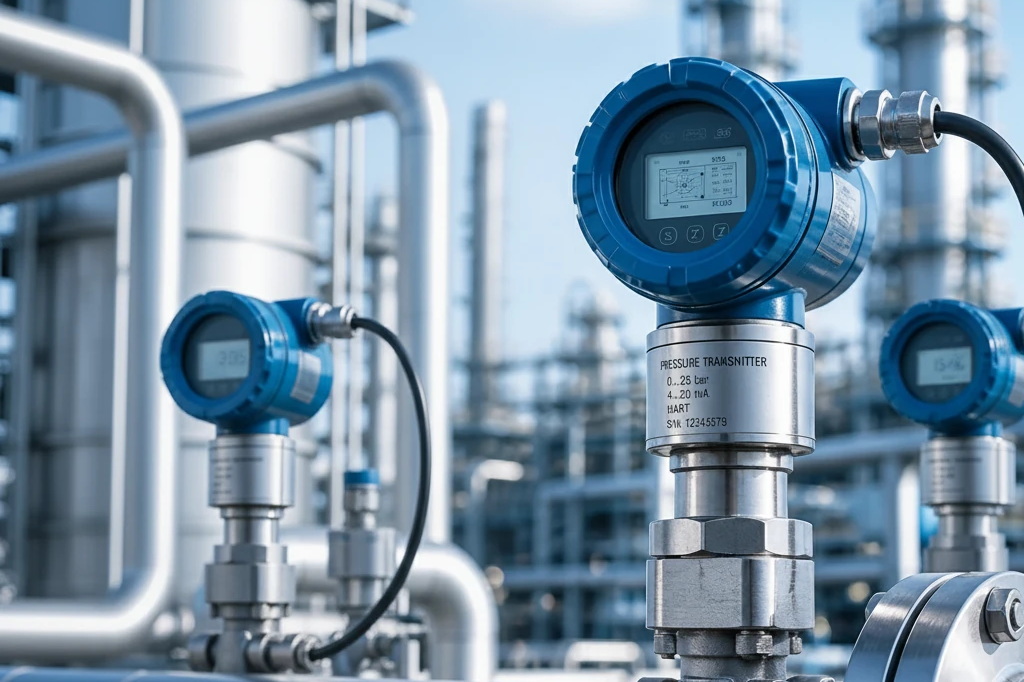
A pressure transmitter is a device that measures pressure in liquids, gases, or steam and converts it into an electrical signal (typically 4–20 mA or a digital protocol like HART).
Core Components Include:
– Sensing Element: Often based on strain‑gauge, piezoresistive, or capacitive technology
– Transducer: Converts mechanical pressure into an electrical signal
– Electronics Module: Amplifies and conditions the signal
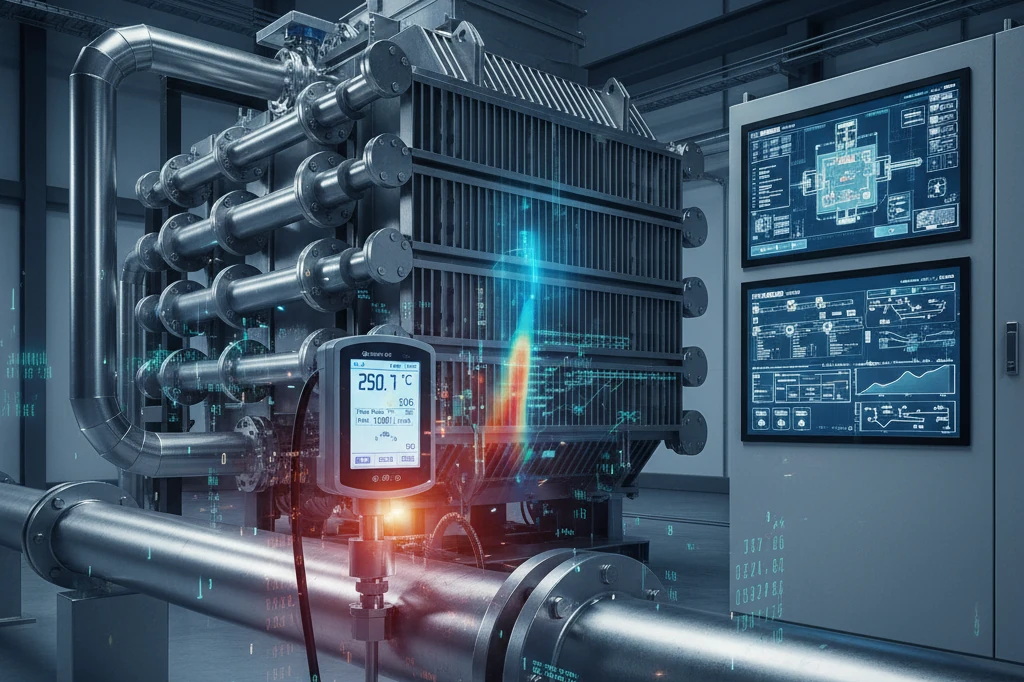
The transmitter sends this signal to a control system (PLC, DCS, SCADA), where the process is monitored or controlled.
Types of Pressure Transmitters
Choosing the right type depends on the nature of your measurement.
Gauge Pressure Transmitters
Measure pressure relative to atmospheric pressure. Ideal for tanks, pipelines, pumps, and general industrial applications.
Absolute Pressure Transmitters
Measure pressure relative to a perfect vacuum. Useful for vacuum chambers, distillation systems, and scientific processes.
Differential Pressure (DP) Transmitters
Measure the difference between two pressure points. Common in:
– Flow measurement (using orifice plates, Venturi tubes)
– Filter and strainer monitoring
– Level measurement in pressurized tanks
Multivariable Transmitters
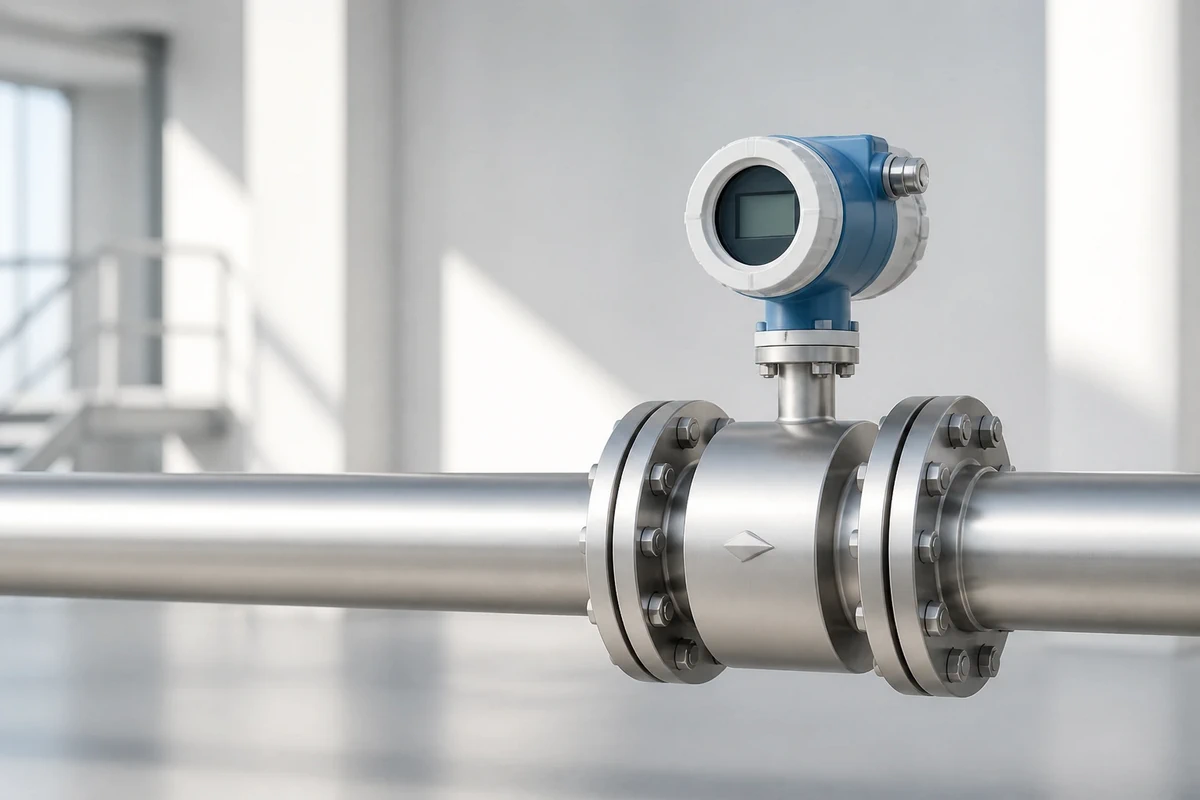
Measure pressure, temperature, and other parameters simultaneously. Improve accuracy in advanced flow measurement systems.
Smart vs. Conventional Transmitters
– Smart transmitters support digital communication (HART, Fieldbus), diagnostics, and remote configuration.
– Conventional transmitters offer basic functionality at a lower cost.
Key Factors to Consider Before Selecting a Pressure Transmitter
Pressure Range and Measurement Type
Selecting the correct pressure range ensures accuracy and protects the sensor from overload.
Choose:
– A range that covers normal operation
– Sufficient overpressure protection
Accuracy and Stability
Key accuracy specs include:
– Linearity
– Hysteresis
– Repeatability
Long‑term stability is crucial for minimizing recalibration frequency.
Process Temperature & Ambient Conditions
Industrial processes may involve high temperatures, direct sunlight, humidity, or vibration. Look for:
– Temperature compensation
– Rugged housings
– Vibration‑resistant designs
Material Compatibility
Wetted parts must be compatible with process media. Common options:
– Stainless Steel 316
– Hastelloy
– Monel
– Tantalum
Corrosive chemicals or offshore conditions may require special alloys.
Output Signal and Communication Protocols
Choose based on your control system:
– 4–20 mA (most common)
– HART for configuration and diagnostics
– Modbus, Fieldbus, Profibus for digital systems
Power Requirements
– Loop‑powered transmitters (2‑wire) are simple and widely used
– Externally powered transmitters (4‑wire) offer higher performance when needed
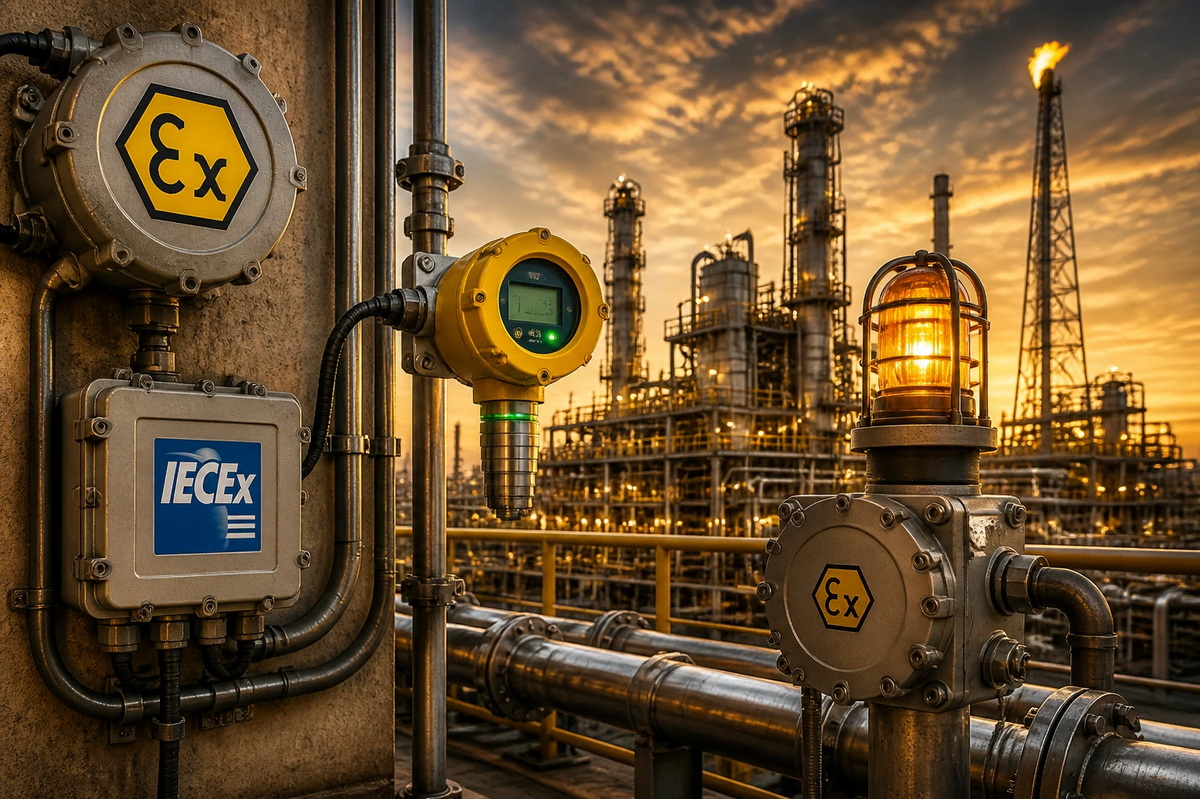
Certification & Compliance
For safety‑critical or hazardous environments, check:
– ATEX / IECEx for explosive atmospheres
– SIL (Safety Integrity Level) for safety systems
– IP Ratings (IP65, IP67, IP68) for dust and water resistance
Common Mistakes When Selecting a Pressure Transmitter
Avoid these common pitfalls:
– Choosing an inappropriate pressure range
– Ignoring temperature impacts on accuracy
– Selecting incompatible wetted materials
– Using low‑accuracy transmitters in critical processes
– Forgetting installation orientation requirements
– Overlooking vibration or harsh environment factors
Best Installation Practices
Proper installation significantly improves performance and longevity.
Recommendations:
– Mount away from high‑temperature sources
– Use impulse lines correctly (for DP transmitters)
– Install in a vertical position unless specified otherwise
– Avoid mechanical stress and excessive vibration
– Ensure correct venting or draining depending on gas or liquid applications
Top Industrial Applications
Pressure transmitters are used across countless industries:
– Oil & Gas: pipelines, separators, wellheads
– Water & Wastewater: pump stations, filtration units
– Chemical Plants: reactors, storage tanks
– Food & Beverage: sanitary processes
– HVAC: chillers, compressors, boilers
– Pharmaceutical: cleanrooms, production lines
Their versatility makes them indispensable in modern plants.
Conclusion
Selecting the right pressure transmitter is essential for achieving accurate measurements, improving safety, and optimizing process performance. By considering the type of pressure, range, accuracy, communication protocol, environmental conditions, and certifications, you can ensure the perfect match for your application.
If you need expert assistance or product recommendations, our team is ready to help you choose the ideal pressure transmitter for your industry.