1. Introduction
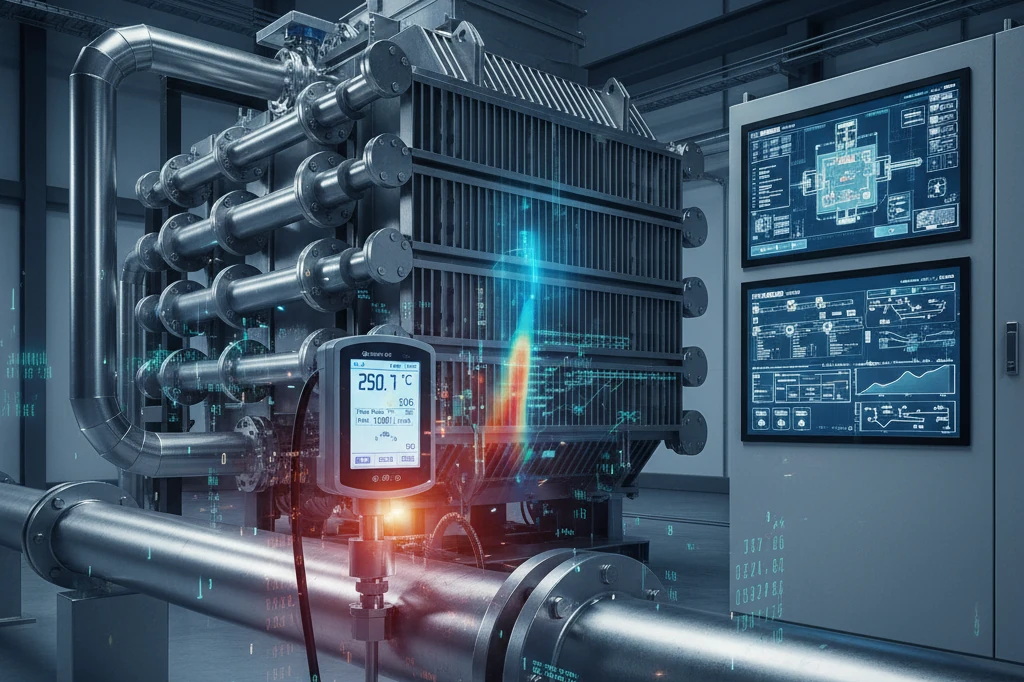
Temperature is one of the most critical parameters in industrial processes. Whether in chemical reactions, food sterilization, metal processing, or pharmaceutical production, even slight temperature deviations can lead to product defects, safety risks, or energy inefficiencies.
With modern digitalization and automation, advanced temperature measurement technologies now allow industries to achieve higher accuracy, faster response times, and improved reliability.
This article explores the latest innovations and practical methods to significantly improve process accuracy using advanced temperature measurement systems.
2. Why Accurate Temperature Measurement Matters
Accurate temperature control directly impacts:
– Product quality and consistency
– Process safety
– Energy efficiency
– Regulatory compliance
– Equipment lifespan
In critical operations, such as reactors, boilers, or high‑precision manufacturing lines, even a 1°C deviation can cause major issues. Therefore, investing in advanced methods is essential for optimized operations.
3. Key Temperature Measurement Technologies
3.1 Resistance Temperature Detectors (RTDs)
RTDs, especially Pt100 and Pt1000, are widely used due to:
– High accuracy
– Excellent stability
– Long lifespan
Modern thin‑film RTDs provide fast response times, making them ideal for precision‑critical applications.
Best for: Chemical processes, pharmaceutical manufacturing, HVAC systems.
3.2 Thermocouples
Thermocouples (Types K, J, N, R, and S) offer:
– Very wide measurement ranges
– Robust construction
– Fast response
Advanced thermocouples use mineral‑insulated (MI) cables, improving resistance to vibration and harsh conditions.
Best for: High‑temperature processes such as furnaces, metal industries, and thermal treatment.
3.3 Infrared (IR) Temperature Sensors
IR sensors measure temperature without physical contact.
Advantages:
– Ideal for moving or rotating objects
– Suitable for high‑temperature applications
– Fast response times
Advanced models include dual‑wavelength laser pyrometers, which improve accuracy in challenging environments.
Best for: Steel plants, food processing conveyors, rotating machinery.
3.4 Fiber Optic Temperature Sensors
Fiber optic sensors are growing rapidly in industrial use due to:
– Immunity to electromagnetic interference
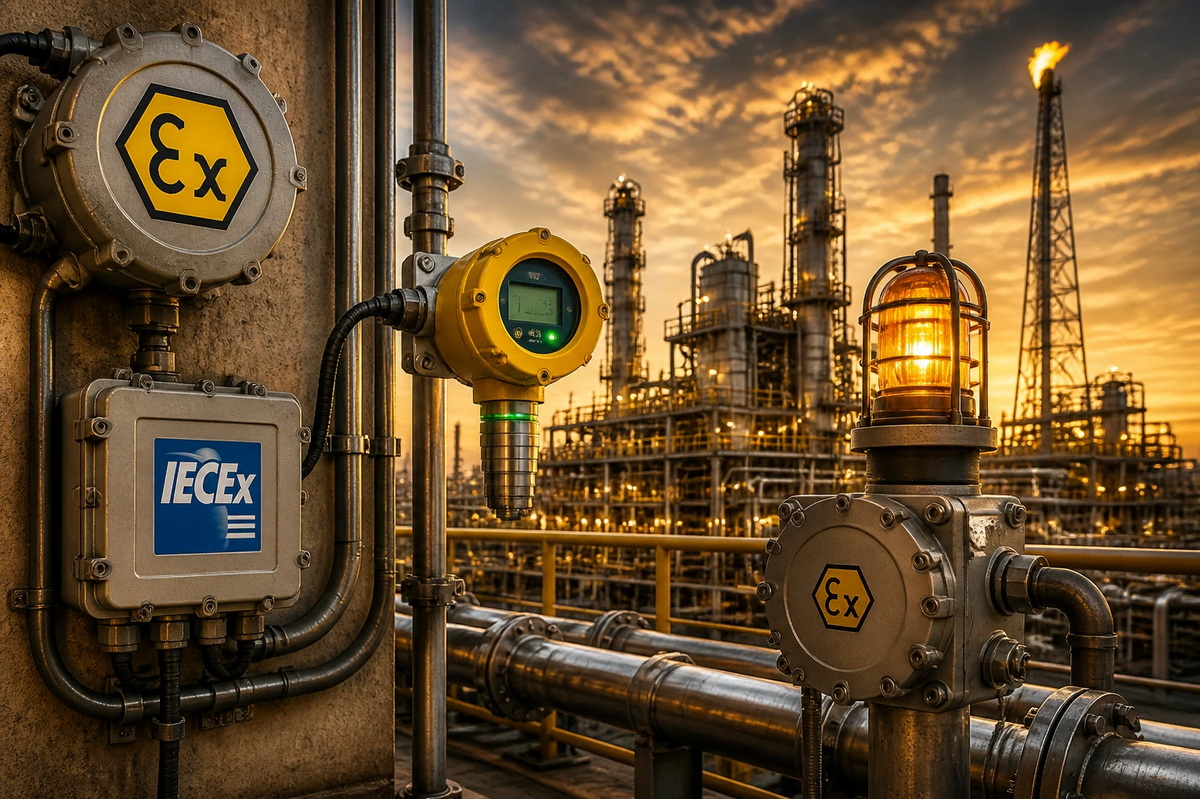
– Ability to measure in high‑voltage or explosive environments
– High precision and multi‑point sensing
These are often used where conventional sensors fail.
Best for: Power plants, high‑voltage switchgear, MRI rooms, hazardous zones.
3.5 Wireless Temperature Sensors
Wireless sensors simplify deployment and reduce cabling costs. Modern protocols include:
– WirelessHART
– ISA100
– LoRaWAN
They integrate seamlessly with smart monitoring systems, enabling predictive maintenance and improved control.
Best for: Remote or difficult‑to‑access measurement points.
4. Factors Affecting Temperature Measurement Accuracy
Even the best sensor can deliver poor results if external factors are ignored.
4.1 Sensor Placement
Correct immersion depth and proper positioning in the process are crucial.
4.2 Response Time
Processes with rapid temperature fluctuations require fast‑response sensors such as RTDs with reduced‑tip sheaths.
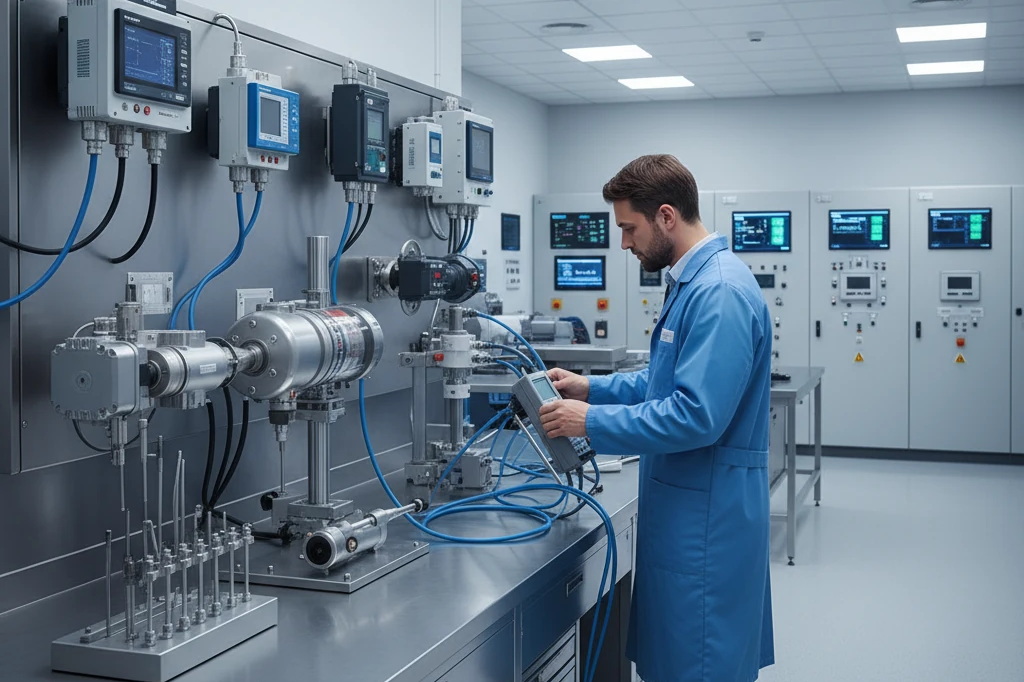
4.3 Calibration
Regular calibration ensures stable operation over time. Advanced digital transmitters can store calibration data internally.
4.4 Thermal Lag
Occurs when the sensor measures too slowly due to heavy protective wells or poor contact with the media.
4.5 Environmental Interference
Vibration, moisture, EMI, and ambient temperature can all affect accuracy.
5. Advanced Techniques to Improve Temperature Accuracy
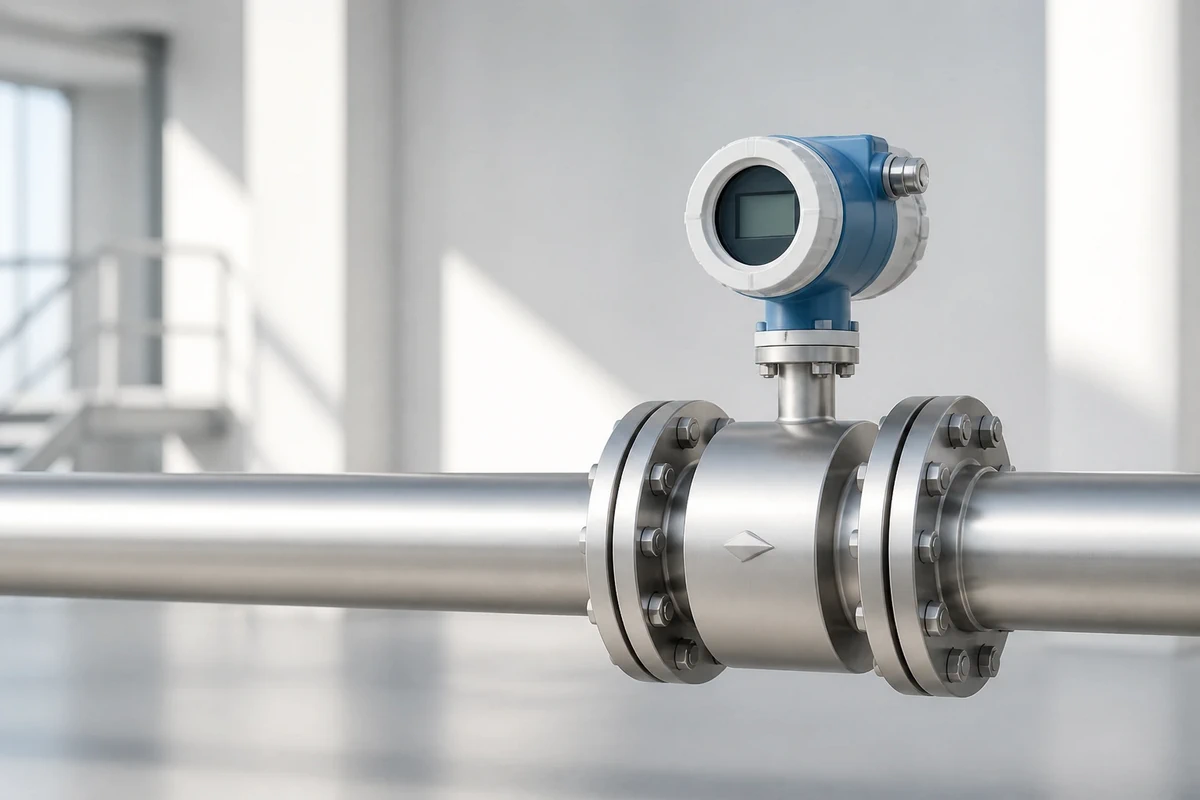
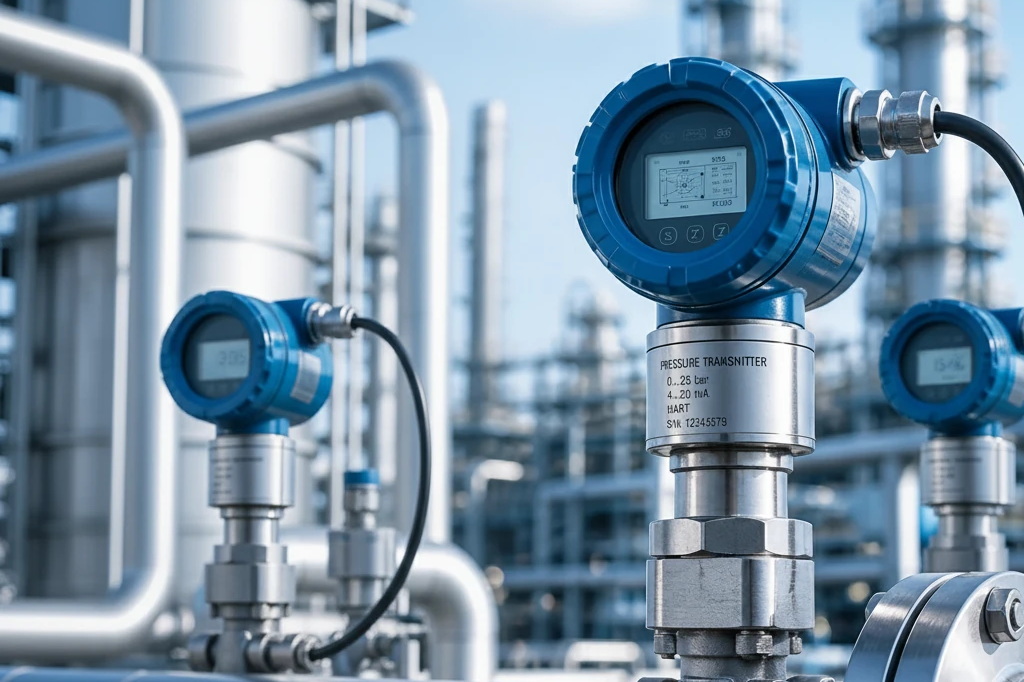
5.1 Using Smart Temperature Transmitters
Modern transmitters provide:
– Digital compensation
– Self‑diagnostics
– Drift monitoring
– Linearization for RTDs and thermocouples
– HART / Modbus / Profibus communication
They significantly reduce human error and improve precision.
5.2 Implementing Multipoint Temperature Monitoring
In large vessels—such as reactors or storage tanks—temperature can vary from top to bottom. Multipoint sensors allow:
– Better thermal profiling
– Improved process control
– Higher product consistency
5.3 Using Thermowells with Optimized Design
Thermowell design impacts accuracy and sensor lifespan.
Advanced options include:
– Tapered thermowells
– Scruton wells for vibration damping
– High‑strength alloys for corrosive media
Correct thermowell design minimizes measurement lag and enhances safety.
5.4 Digital Compensation and Algorithms
Modern systems use:
– Self‑calibration
– Drift correction algorithms
– Real‑time temperature mapping
– Machine‑learning–based prediction models
These enhancements ensure long‑term accuracy and reliable performance.
5.5 Implementing Redundant Measurement
Using two or more sensors ensures reliable data in critical processes.
Enables:
– Fault detection
– Voting logic (2oo3 systems)
– Improved safety in SIL‑rated processes
6. Industry Applications
Advanced temperature measurement is essential in:
– Oil & Gas: heaters, pipelines, separators
– Chemical Plants: reactors, heat exchangers
– Pharmaceutical: sterilization, fermentation
– Food & Beverage: pasteurization, baking, cooling
– Power Generation: turbines, boilers
– Metallurgy: furnaces, heat‑treatment systems
7. Conclusion
Improving process accuracy through advanced temperature measurement technologies is no longer optional—it’s a competitive necessity. By selecting the right sensors, optimizing installation, using smart transmitters, and adopting modern diagnostic and digital tools, industries can achieve superior control, higher product quality, and enhanced safety.
If you need help selecting the ideal temperature measurement technology for your specific application, our technical team can provide expert guidance.